





Key Takeaways
Cut Emergency Costs: Preventative maintenance helps Raleigh rental owners avoid expensive last‑minute repairs by catching issues early.
Protect Major Systems: Routine HVAC, plumbing, and water heater care keeps essential equipment running efficiently and extends its lifespan.
Strengthen Property Durability: Seasonal gutter cleaning, exterior upkeep, and landscaping management reduce moisture damage and preserve long‑term property value.
Have you ever received a midnight call about a burst pipe that could have been addressed months earlier?
It is a situation every rental property owner wants to avoid, but it can happen when routine maintenance is overlooked. Waiting for something to break can lead to costly emergency repairs, wasted time, and tenant frustration.
Preventative maintenance offers a better approach. By addressing small issues before they become major problems, you can protect your investment, control maintenance costs, and keep your tenants satisfied.
If you want to reduce the stress of managing repairs and keep your rental property in good condition, KRS Property Management can handle the day-to-day maintenance for you.
Get Your Free Rental Consultation Today!
Eight Essential Maintenance Practices to Maximize Your Rental Returns
Here are eight crucial tasks that will keep your property thriving while significantly reducing your long-term operational expenses.
1. Schedule Regular HVAC Maintenance
Your HVAC system is one of the most important and costly components of a rental property. Without regular maintenance, small issues can develop into major breakdowns, leading to expensive repairs or premature replacement.
Replace air filters every one to three months, depending on the system and usage. You should also have a licensed technician service the HVAC system twice a year, typically in spring and fall.
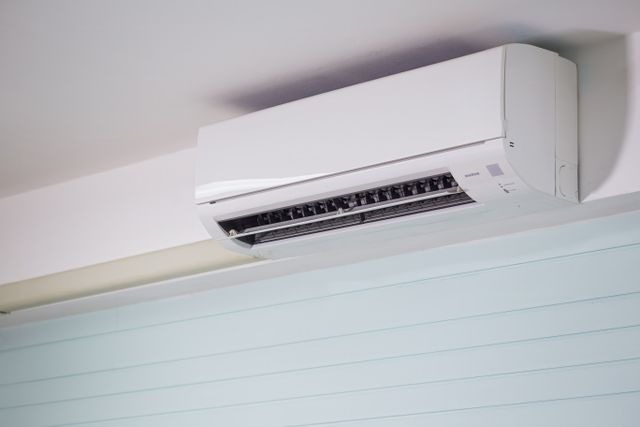
Routine service can include cleaning coils, checking refrigerant levels, and inspecting electrical connections to help keep the system running safely and efficiently.
2. Flush the Water Heater Annually
Water heaters constantly process minerals found in your local water supply, which eventually pile up at the bottom of the tank. This sediment buildup forces the appliance to work harder, driving up energy costs and drastically reducing its operational lifespan.
Flushing the tank annually prevents rust, preserves the heating element, and ensures your tenants always have consistent hot water. To flush the unit, first turn off the power or gas supply and attach a garden hose to the drain valve.
Direct the hose to a safe drainage area, then open the valve and allow the water to drain completely. After the tank is empty, briefly turn the cold water supply back on to help rinse away any remaining sediment.
3. Clean Out the Gutters
Clogged gutters can prevent rainwater from draining properly, causing water to overflow and collect around the foundation. Over time, this can contribute to basement flooding, foundation damage, and other costly repairs.
Clean gutters at least twice a year, particularly in late spring and early fall when debris tends to accumulate.
Remove leaves and other buildup with gloves and a small trowel, then flush the gutters with a garden hose to make sure water flows freely through the downspouts and away from the property.
4. Inspect Plumbing and Reapply Caulk
Small plumbing leaks and worn caulk can cause expensive damage when ignored.
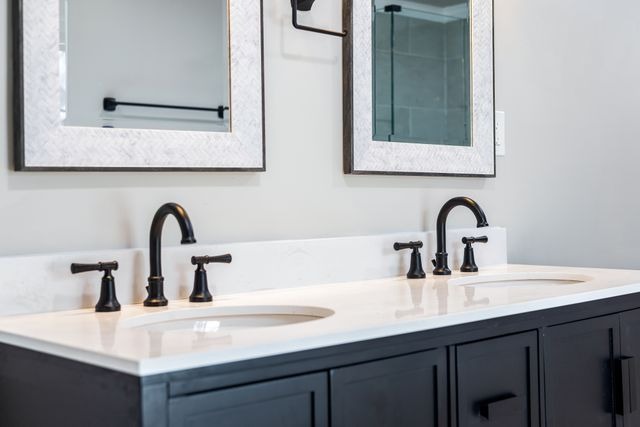
Check under sinks, around tubs, and behind toilets for moisture, dripping pipes, or deteriorated seals.
Addressing these issues early helps prevent water damage, mold growth, and higher utility bills. During routine property checks, look for cracked or peeling caulk around tubs and showers.
Remove the old caulk, clean and dry the area thoroughly, and apply a fresh, continuous bead of silicone caulk. Maintaining these seals helps keep moisture out and protects walls, floors, and cabinetry from damage.
5. Clear the Dryer Vents
Lint buildup in dryer vents can restrict airflow, making the appliance work harder, increasing energy use, and reducing its efficiency. Clogged vents can also create a serious fire hazard, putting your property and residents at risk.
Regularly cleaning the vent helps the dryer operate properly and reduces the likelihood of costly repairs or damage. To clean the vent, disconnect the dryer from the power source and carefully pull it away from the wall.
Detach the vent hose and use a dryer vent cleaning brush or similar tool to remove accumulated lint from the hose and vent opening. Reconnect the hose securely, move the dryer back into place, and run a short cycle to make sure air is flowing properly.
6. Maintain Exterior Paint and Siding
Your rental property's exterior helps protect the structure from rain, sunlight, and changing temperatures. Peeling paint, cracked siding, and other damage can allow moisture to reach the underlying materials, potentially leading to rot and more expensive repairs.
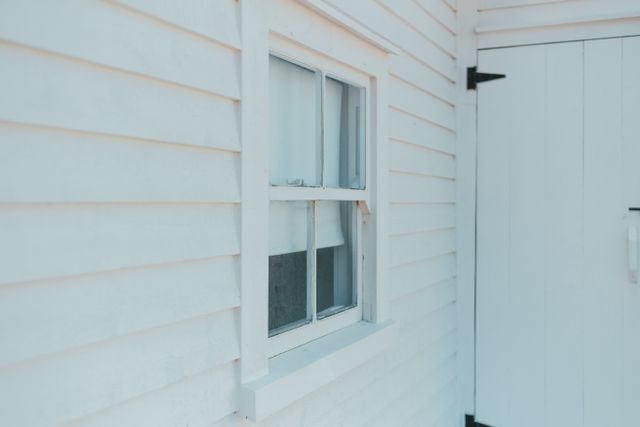
Addressing these issues early helps protect the property and extend the life of the exterior. During routine property checks, walk around the building to look for peeling or bubbling paint, cracks, gaps, and damaged siding.
Remove loose paint with a scraper or wire brush, then apply an exterior primer and weather-resistant paint. Replace siding that is severely damaged to maintain a durable barrier against the elements.
7. Test Smoke and Carbon Monoxide Detectors
Working smoke and carbon monoxide detectors are essential for protecting residents and reducing safety risks in your rental property. Dead batteries, malfunctioning devices, or expired sensors can prevent an alarm from sounding when it is needed most.
Regular testing also helps landlords stay on top of applicable safety requirements. Press and hold the test button on each detector to make sure the alarm sounds properly.
Replace weak or dead batteries right away, and check the manufacturing date on each unit. Since detectors can lose reliability as they age, replace them according to the manufacturer's recommended service life, typically around 10 years.
8. Trim Trees and Manage Landscaping
Overgrown trees and bushes can damage your rental property and create hiding spots for pests. Keeping vegetation trimmed also improves curb appeal and makes it easier to spot potential maintenance issues.
Trim branches that touch or hang close to the roof and remove dense brush around the property. Keep mulch and landscaping materials away from the foundation to help discourage pests and moisture problems.
Bottom Line
Managing these preventative tasks alone can quickly overwhelm even the most experienced landlords.
We at KRS Property Management take this burden off your shoulders by coordinating all routine maintenance, vetting reliable contractors, and responding swiftly to tenant concerns.
Our proactive approach protects your real estate assets and maximizes your monthly profits. Reach out to our property management team today to discuss your available options, and we will help you determine the exact level of service that is right for you.
Frequently Asked Questions
How Does Preventative Maintenance Reduce Long-Term Costs?
Preventative maintenance helps identify small issues before they escalate into expensive repairs or system failures. Addressing concerns early may extend the lifespan of HVAC units, water heaters, and plumbing fixtures, reducing the need for premature replacements.
In markets like Raleigh, where seasonal temperature swings can strain building systems, proactive care often results in fewer emergency calls and more predictable operating expenses.
How Can Preventative Maintenance Support Legal and Safety Compliance?
Regular testing of smoke and carbon monoxide detectors helps owners stay aligned with applicable safety requirements, which may vary by device type and manufacturer guidelines.
Ensuring detectors function properly and replacing aging units reduces liability risks. While specific legal obligations depend on state and local regulations, proactive safety checks typically help owners maintain a compliant rental environment.
Does Preventative Maintenance Affect Leasing and Tenant Retention?
A well-maintained property can make leasing smoother by reducing move-in issues and presenting a home that feels cared for.
While tenant decisions vary, rentals with fewer maintenance problems typically experience stronger satisfaction and fewer interruptions. Consistent upkeep may also reduce turnover by creating a more predictable living experience, which benefits long‑term cash flow for owners.
What Are the Benefits of Hiring a Property Manager for Preventative Maintenance?
A property manager can coordinate routine inspections, schedule licensed contractors, track seasonal tasks, and respond quickly when issues arise. This support helps owners save time, reduce stress, and maintain consistent property performance.
For investors with multiple rentals or limited availability, professional oversight often leads to more organized maintenance planning and fewer unexpected expenses.
How Can Landscaping and Exterior Care Protect My Rental Investment?
Managing vegetation, trimming trees, and maintaining exterior surfaces helps prevent moisture intrusion, pest activity, and structural wear. In areas with heavy rainfall like Raleigh, keeping gutters clear and ensuring proper drainage is especially important.
These tasks may seem small, but they often prevent foundation issues, siding damage, and other repairs that can become costly if ignored.