






Key Takeaways
Know Your True Performance: Understanding core real estate metrics gives investors a clearer picture of how a rental is actually performing beyond just monthly rent.
Use Metrics to Guide Better Decisions: Cash Flow, NOI, Cap Rate, ROI, and other key metrics help you evaluate profitability, compare properties, and spot risks early.
Consistent Tracking = Stronger Returns: Regularly reviewing your numbers makes it easier to identify issues, optimize income, and grow your portfolio and a property manager can track everything for you if you prefer a hands‑off approach.
Are you confident you know how well your rental property is performing? Many investors focus on monthly rent without considering the other numbers that affect profitability.
This can make it difficult to identify problems, measure returns, or find opportunities to improve performance. Understanding key real estate metrics gives you a clearer picture of your property's financial health and helps you make more informed investment decisions.
If tracking and analyzing these numbers feels overwhelming, KRS Property Management can handle the day-to-day details, giving you more time to focus on growing your portfolio.
Get Your Free Rental Consultation Today!
9 Key Metrics Every Landlord Should Track
These metrics help you evaluate profitability, identify potential risks, compare investment opportunities, and make more informed decisions about your rental properties.
1. Cash Flow:
Cash flow shows how much money your rental property generates after all expenses are paid each month. It is one of the most important metrics for understanding whether a property is financially sustainable.
Positive cash flow gives you more flexibility to cover unexpected expenses, build reserves, or invest in additional properties. Negative cash flow, on the other hand, means you may need to contribute money from your own pocket to keep the property operating.

To calculate cash flow, subtract your total property expenses from your total rental income. The basic formula is:
Total Rental Income − Total Property Expenses = Cash Flow
2. Net Operating Income (NOI):
Net operating income (NOI) measures a property's profitability before accounting for financing costs. It shows how much income the property generates after operating expenses but before mortgage payments and other financing expenses.
NOI is useful when evaluating a property's performance because it allows you to assess the property itself without factoring in your specific loan terms. It is also used in several other real estate calculations, including cap rate.
To calculate NOI, subtract your operating expenses from your gross operating income. Mortgage payments and other financing costs are not included.
Gross Operating Income − Operating Expenses = NOI
3. Capitalization Rate (Cap Rate):
The capitalization rate, or cap rate, estimates a property's annual return based on its net operating income and current value.
Investors commonly use it to compare income-producing properties and evaluate whether a property's price is reasonable relative to its income. Cap rates can vary significantly by property type, location, and market conditions.
A higher cap rate may indicate greater potential return, but it can also reflect greater perceived risk. For that reason, cap rate should be considered alongside other factors rather than used on its own.
To calculate cap rate, divide the property's NOI by its current market value.
NOI ÷ Current Market Value × 100 = Cap Rate
4. Cash on Cash Return:
Cash-on-cash return measures the annual pre-tax cash flow generated by the actual cash you invested in a property. It can be particularly useful when you finance a purchase because it focuses on the return generated by your out-of-pocket investment.
This metric helps you evaluate how efficiently your invested cash is producing income. Comparing cash-on-cash returns across properties can also help you determine which investments may be using your available capital more effectively.
To calculate cash-on-cash return, divide your annual pre-tax cash flow by your total initial cash investment.
Annual Pre-Tax Cash Flow ÷ Total Cash Invested × 100 = Cash-on-Cash Return
5. Operating Expense Ratio (OER):
The operating expense ratio (OER) shows what percentage of a property's income is used to cover operating expenses. It gives you a quick way to evaluate how efficiently the property is being operated.
A rising OER may indicate that expenses are increasing faster than rental income. Tracking this metric over time can help you identify changes in maintenance, utilities, property management, property insurance, or other operating costs that could affect profitability.
To calculate OER, divide total operating expenses by gross operating income.
Total Operating Expenses ÷ Gross Operating Income × 100 = OER
6. Vacancy Rate:
Vacancy rate measures the amount of time a rental property remains unoccupied during a specific period.
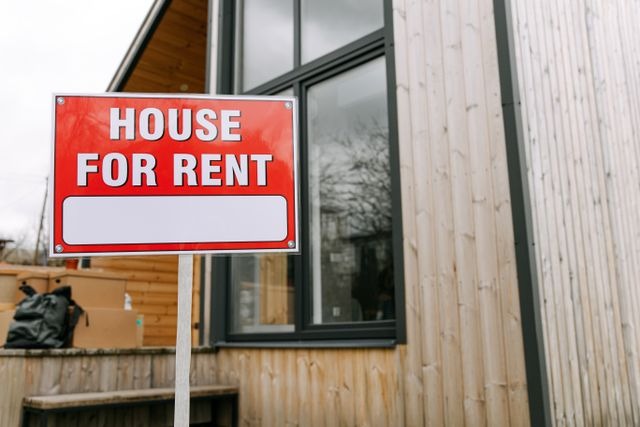
Because a vacant property generally produces little or no rental income while expenses continue, vacancy can have a significant impact on overall returns.
Tracking vacancy over time can help you identify trends and determine whether pricing, marketing, property condition, or other factors may be affecting your ability to keep the property occupied.
To calculate vacancy rate, divide the number of vacant unit days by the total available unit days.
Vacant Unit Days ÷ Total Available Unit Days × 100 = Vacancy Rate
7. Gross Rent Multiplier (GRM):
The gross rent multiplier (GRM) provides a simple way to compare a property's price with its gross rental income. Investors often use it as an initial screening tool when evaluating potential acquisitions.
Because GRM does not account for operating expenses, financing costs, vacancies, or other factors, it should not be used as a complete measure of profitability. Instead, it can help you quickly compare similar properties before conducting a more detailed financial analysis.
To calculate GRM, divide the property's purchase price or market value by its gross annual rental income.
Property Price ÷ Gross Annual Rental Income = GRM
8. Return on Investment (ROI):
Return on investment (ROI) measures the profit generated by a property relative to the amount invested. It provides a broader view of investment performance and can help you assess whether a property is meeting your financial goals.

Depending on how it is calculated, ROI may account for factors such as rental income, operating expenses, appreciation, and selling costs. Because there are different ways to calculate ROI, investors should use a consistent formula when comparing properties.
A basic ROI calculation divides net profit by total investment cost and multiplies the result by 100.
9. Debt Service Coverage Ratio (DSCR):
Debt service coverage ratio (DSCR) measures a property's ability to generate enough income to cover its debt payments.
It is particularly important for investors seeking financing because lenders may use DSCR when evaluating the property's ability to support its debt obligations.
A DSCR above 1.0 means the property's NOI exceeds its annual debt service, while a ratio below 1.0 means the property is not generating enough NOI to fully cover its debt payments. Lender requirements vary, so investors should understand the specific DSCR standards that apply to their financing.
To calculate DSCR, divide the property's NOI by its annual debt service.
NOI ÷ Annual Debt Service = DSCR
The Bottom Line
Understanding your rental property’s financial metrics is essential for making informed investment decisions, but you do not have to manage the numbers alone.
At KRS Property Management, we take the day-to-day work off your plate while helping you keep a close eye on your property’s performance. From tenant relations and maintenance to rent collection and financial reporting, our team helps you manage your investment with greater confidence.
Ready to get more from your rental property? Contact Us today to learn how our services can support your investment goals.
Frequently Asked Questions
What Are the Most Important Real Estate Metrics I Should Track as a Raleigh Investor?
The core metrics include Cap Rate, Cash‑on‑Cash Return, Net Operating Income (NOI), Vacancy Rate, Turnover Rate, and ROI. These help you evaluate performance, compare properties, and make data‑driven decisions in Raleigh’s competitive rental market.
What Is a “Good” Cash‑on‑Cash Return in the Raleigh Market?
Most investors aim for 8–12%, though this varies by property type and financing structure. Raleigh’s strong job growth and steady rental demand often support higher returns compared to national averages.
Why Does Vacancy Rate Matter So Much?
Vacancy Rate directly impacts your NOI and cash flow. In Raleigh, average vacancy rates tend to be lower due to population growth and strong rental demand, but even a few weeks of vacancy can significantly reduce annual returns.
How Can I Improve My Property’s ROI?
Common strategies to improve ROI include:
Strategic rent increases based on market data
Preventative maintenance to reduce long‑term costs
Upgrading high‑impact features (flooring, appliances, lighting)
Does Raleigh’s Seasonality Affect Rental Performance or Metrics?
Yes. Leasing activity typically peaks in spring and summer, which can improve occupancy and reduce days‑on‑market. Winter months may require more aggressive pricing or marketing to maintain strong performance.
How Often Should I Review My Investment Metrics?
Quarterly reviews are ideal, with a deeper annual analysis. Raleigh’s market moves quickly, tracking metrics regularly helps you stay ahead of trends and identify opportunities for rent adjustments or portfolio expansion.
Can a Property Manager Track These Metrics for Me?
Absolutely. Raleigh Property Management provides full financial reporting, including NOI, cash flow statements, maintenance logs, and market‑based rent analyses. This ensures you always have accurate, up‑to‑date performance data.